Introduction
Wound care has evolved significantly for many years, transitioning from straightforward first-aid techniques to complex monitoring procedures that call for specialized knowledge and skills. As healthcare continues to development, the demand for injury treatment professionals has surged, highlighting the importance of effective training programs for nurses. This article explores the complexities of complex wound care and highlights the requirement for specialized registered nurse training wound care and management in this important area.
Complex Wound Treatment: Comprehending the Requirement for Specialized Nurse Training
Complex wound treatment is a detailed strategy to treating injuries that are hard to heal because of numerous elements such as underlying health conditions, infection, or bad blood flow. An injury care specialist plays an important role in assessing and managing these types of injuries, which commonly need elaborate therapy strategies customized to private client needs.
What is Complicated Wound Care?
Complex injury care incorporates a variety of therapies created to deal with non-healing or chronic injuries. Such wounds might consist of diabetic person abscess, pressure ulcers, venous leg abscess, and medical wounds that have ended up being contaminated or delayed in their recovery process. The intricacy emerges from multiple adding elements that can prevent recovery, requiring an extensive understanding of human anatomy, pathology, and advanced therapy modalities.
Why Specialized Nurse Training is Essential
Specialized registered nurse training gears up registered nurses with the knowledge and skills essential to offer effective wound care management. Without this training, nurses might not completely understand the subtleties associated with treating complicated injuries.
- Understanding Pathophysiology: Registered nurses trained in injury care gain understandings into how numerous medical conditions influence skin integrity and healing processes. Advanced Therapy Techniques: Specialized training introduces nurses to modern-day technologies and approaches such as adverse stress injury therapy (NPWT), bioengineered tissues, and progressed dressings. Patient-Centric Approach: With appropriate training, registered nurses can develop individualized treatment strategies that consider an individual's certain circumstances-- be it way of living options or comorbidities.
The Duty of Injury Treatment Specialists
What Does a Wound Care Professional Do?
Wound care professionals are in charge of evaluating injuries, identifying the underlying reasons for non-healing injuries, and carrying out proper therapy approaches. They team up with interdisciplinary teams to ensure detailed patient management.
Key Obligations Include:
- Performing detailed analyses of wounds making use of standardized tools. Developing customized therapy strategies based on evidence-based practices. Educating individuals and caretakers about correct wound treatment techniques. Monitoring healing progression and readjusting treatment plans as necessary.
Wound Care Educating for Nurses
Importance of Wound Care Training Courses
Investing in wound care training courses is vital for nurses who desire concentrate on this area. These programs offer organized understanding courses covering essential aspects of wound evaluation and management.
Types of Wound Care Training Courses
Basic Wound Treatment Training: Perfect for newbie registered nurses looking for foundational knowledge. Advanced Injury Care Courses: Made for skilled registered nurses seeking to grow their expertise. Online Accreditation Programs: Flexible options that satisfy hectic experts seeking convenience.What Topics Are Covered?
- Anatomy and physiology related to skin integrity Types of wounds and recovery processes Pain administration strategies Infection control measures Documentation standards
Wound Treatment Nurse Training
Components of Reliable Injury Treatment Registered Nurse Training
Effective training programs incorporate theoretical expertise coupled with functional applications. Simulation exercises boost critical thinking skills while supplying hands-on experience.

Skill Growth Areas
Proper clothing techniques Assessment skills utilizing tools like the Bates-Jensen Injury Evaluation Tool Patient education methodologies Understanding insurance requirements connected to wound careBenefits of Comprehensive Nurse Educating Programs
Nurses who undergo specialized training record raised confidence degrees when handling complex situations, bring about enhanced person outcomes.
Chronic Injury Care Management
Challenges in Chronic Wound Management
Chronic injuries posture one-of-a-kind challenges such as persistent discomfort, infection dangers, and long term recuperation times. Understanding these obstacles is key to effective management.
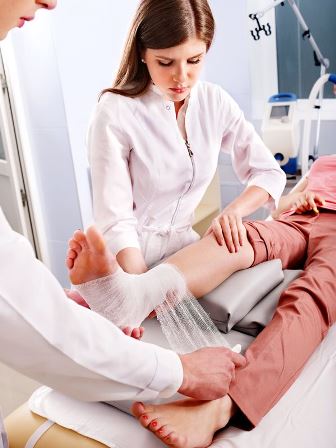
Common Types of Chronic Injuries Include:
Diabetic Foot Ulcers Pressure Abscess Venous Leg UlcersEach type calls for certain treatments based upon hidden conditions impacting healing.
Strategies for Reliable Persistent Wound Management
A multi-faceted technique entailing routine evaluations, patient education on way of life adjustments (like sugar control), and ideal dressing option is vital for optimal results.
NDIS Injury Treatment Considerations
Understanding NDIS (National Impairment Insurance Policy Plan) Requirements
The NDIS provides assistance services consisting of specialized injury take care of individuals dealing with specials needs impacting skin integrity.
Tailoring Services Under NDIS
Wound treatment services under NDIS have to be personalized according to every participant's unique demands while ensuring compliance with governing frameworks leading top quality health care delivery.
Key Components Include:
- Collaboration amongst medical care providers Regular analyses connected to moneying eligibility Detailed paperwork sustaining solution provision
Wound Care Management Frameworks
Evidence-Based Practice Models
Utilizing evidence-based technique versions makes certain that nursing treatments are grounded in study searchings for showing effectiveness in persistent wound management.
Examples Include:
The McGuire Design The TIME Structure (Tissue Management, Inflammation & & Infection Control, Dampness Equilibrium & & Edge Result)Both frameworks highlight extensive analyses leading toward customized interventions focused on optimizing healing outcomes.
FAQs Concerning Complicated Wound Care
1. What is a complex wound?
A complicated injury is one that has failed to heal appropriately because of underlying concerns such as inadequate blood flow or infection calling for specialized treatment strategies.
2. Why do I need specialized training in injury care?
Specialized training furnishes you with necessary understanding concerning innovative techniques needed for efficient monitoring of intricate injuries leading towards far better person outcomes.
3. What does a standard injury care training course cover?
A fundamental training course covers fundamental concepts such as composition relevant to skin health and wellness; kinds of wounds; preliminary analysis treatments; and common dressing techniques.
4. How much time does it take to complete specialized wound care training?
Training period differs relying on program structure but normally ranges from a number of weeks up via a number of months including both classroom instruction alongside practical components.
5. Can I pursue on the internet accreditations in wound care?
Yes! Numerous recognized organizations use online certification training courses enabling adaptability while still supplying strenuous educational content related especially towards reliable practices bordering intricate issues within this discipline!
6. What duty do registered nurses play in handling persistent wounds?
Nurses carry out comprehensive analyses while developing customized therapy strategies focusing on stopping problems connected with chronic problems affecting skin stability overall!
Conclusion
In verdict, complex wound care stands for a considerable component within nursing technique that calls for specialized expertise acquired with targeted education and learning programs especially customized in the direction of enhancing ability essential when dealing with difficult professional scenarios entailing people experiencing extended problems related to non-healing injuries! As health care continues advancing rapidly alongside technical innovations-- accepting top quality proceeding education and learning opportunities will always remain extremely important not only making certain effective end results but additionally fostering expert growth among dedicated experts dedicated toward attaining quality within their field!